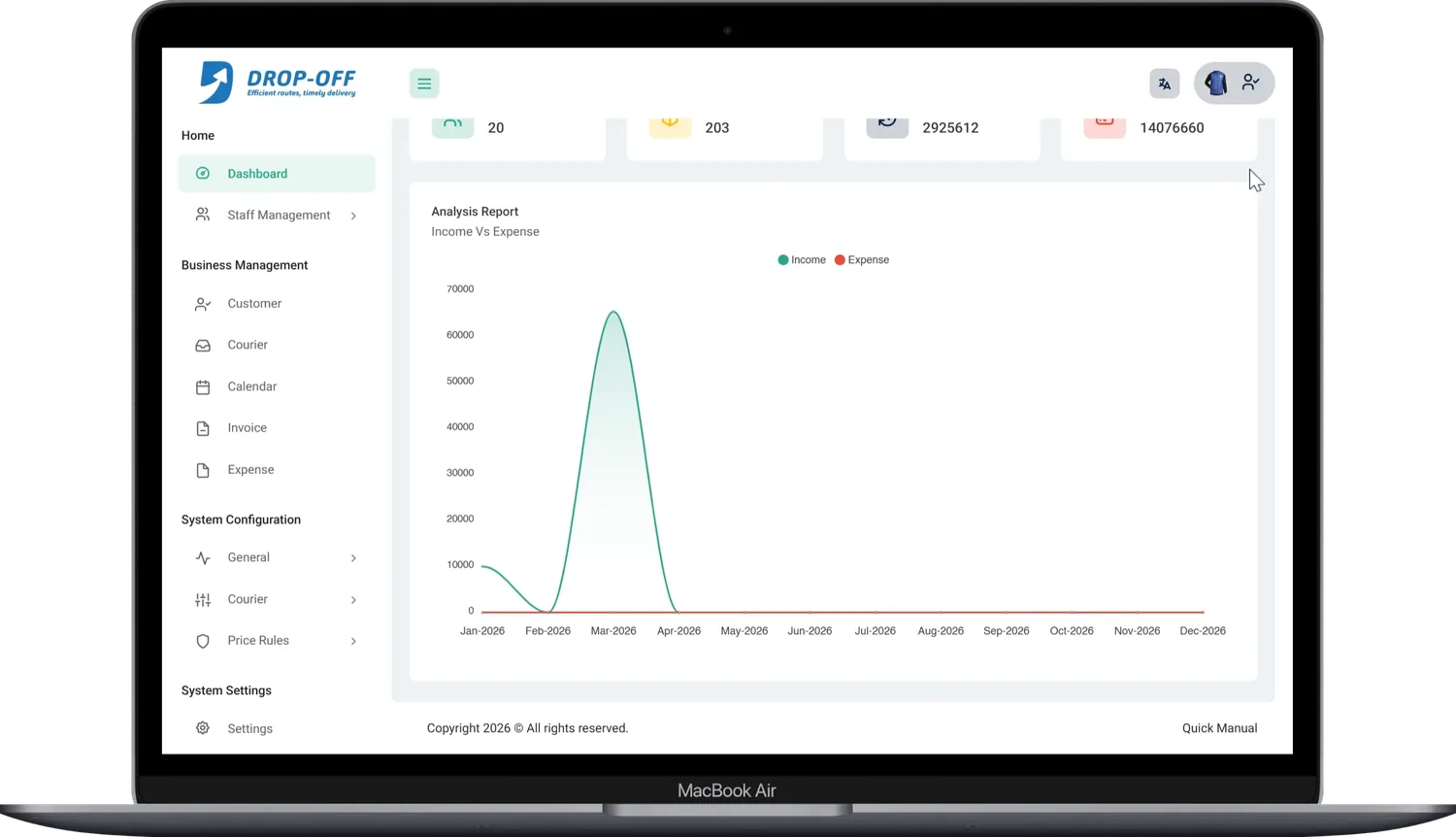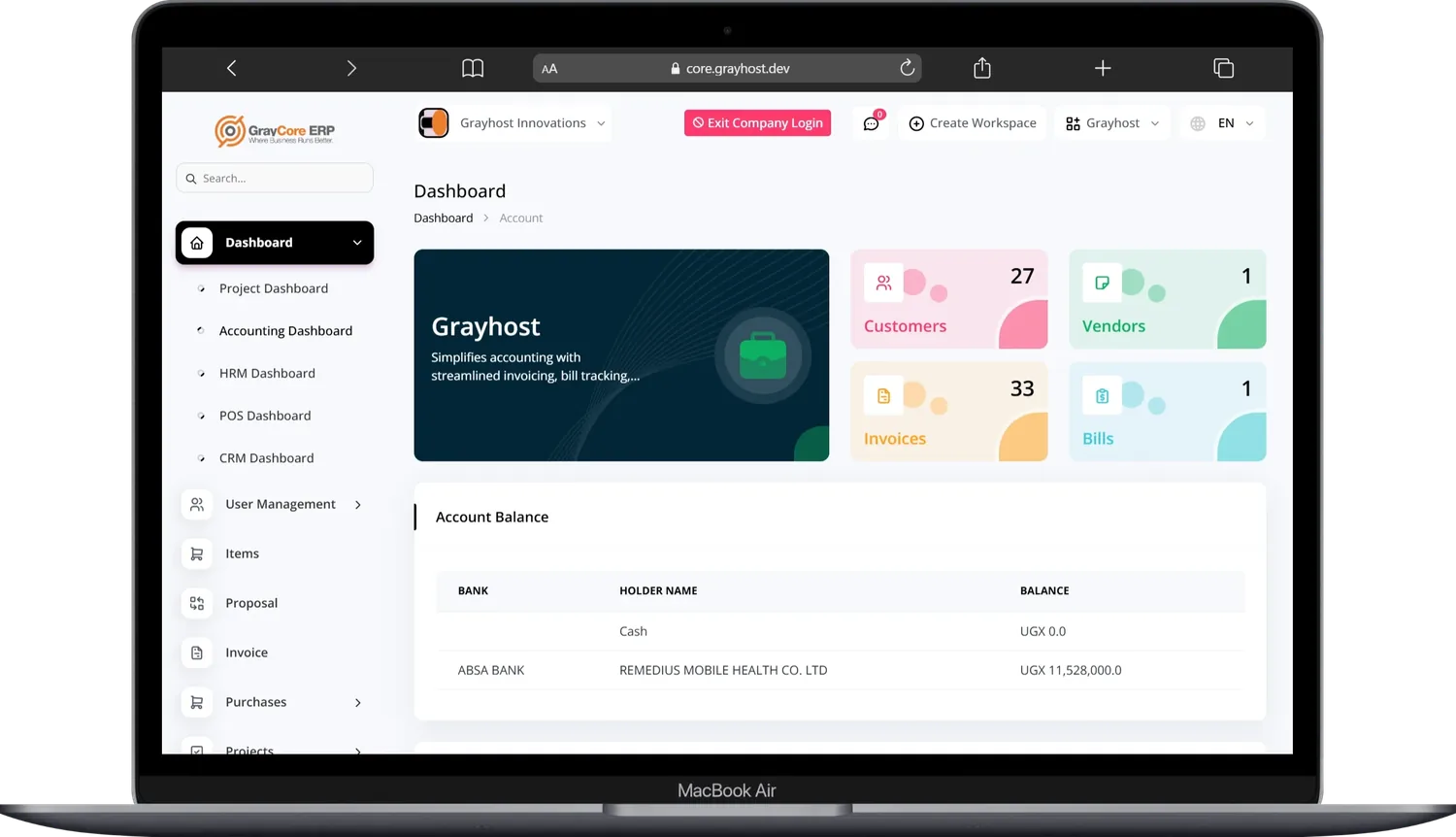
Most small and medium businesses in the region do not fail for lack of effort. They stall because their information is scattered: sales live on WhatsApp, stock in a counter book, accounts in a spreadsheet, and payroll on paper. Nobody has a single, trustworthy view of the business.
The hidden cost of disconnected tools
When each department keeps its own records, the numbers never quite agree. Month-end becomes a week of reconciliation. Decisions wait on reports that are already out of date. And every new hire has to learn five systems instead of one.
An ERP (enterprise resource planning) platform fixes this by putting accounting, sales, inventory, HR, and point of sale on one shared database. When a sale happens, stock drops, revenue updates, and the dashboard reflects it immediately.
What to look for
- Mobile-money aware. Payments should post straight to the ledger, not get keyed in twice.
- Works on modest connections. Your team should not need fibre to raise an invoice.
- Priced for SMEs. No six-figure consultants to switch it on.
- Modular. Turn on only what you need today, add the rest as you grow.
Start small, then expand
The businesses that succeed with an ERP do not digitise everything at once. They start with the module that hurts most, usually accounting or inventory, prove the value, and roll out from there. Within a quarter, the guesswork is gone and the numbers finally agree.